Long Tours
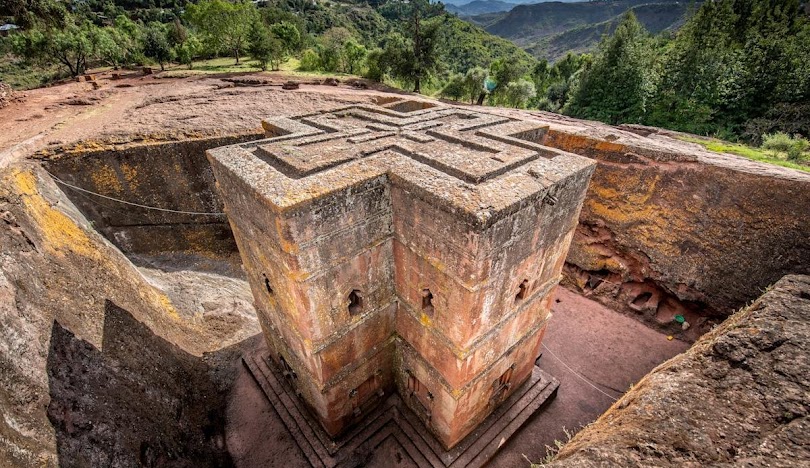
Lalibela
Lalibela, a small town nestled in the highlands of northern Ethiopia, is home to one of the most extraordinary architectural achievements in human history: eleven medieval monolithic churches, each meticulously carved from the top down out of solid volcanic rock. Commissioned in the late 12th and early 13th centuries by King Lalibela, whose vision was to create a "New Jerusalem" for Ethiopian Orthodox Christians, these structures are not built, but rather excavated, with intricate networks of trenches, tunnels, and passageways connecting them. Still a living, breathing place of worship and pilgrimage, the rock-hewn churches of Lalibela stand as a powerful and enduring testament to the profound faith, ingenuity, and devotion of the people who created them.
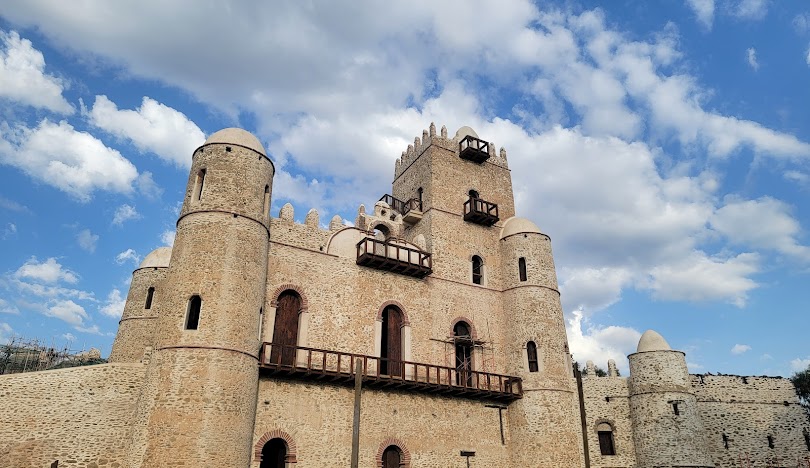
Gonder
Gonder, once the capital of the Ethiopian Empire in the 17th and 18th centuries, is a city renowned for its well-preserved castles and churches nestled in the highlands northwest of Lake Tana . Often called the "Camelot of Africa," its historic heart is the Fasil Ghebbi, a UNESCO World Heritage Site, which contains the impressive castles and palaces of Emperor Fasilides and his successors . These stone structures are notable for their unique architectural style, a fusion of Portuguese, Indian, and local Aksumite influences . Beyond the royal enclosure, the city is home to the exquisite Debre Berhan Selassie Church, famous for its ceiling adorned with the painted faces of hundreds of angels, and the ceremonial Fasilides' Bath, which is the vibrant focal point of the annual Timkat festival.
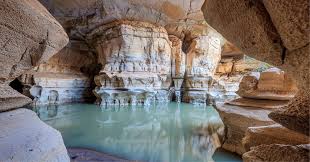
The Sof Omar Cave
The Sof Omar Cave, located in the Bale Zone of Oromia in southeastern Ethiopia, is the longest cave system in the country, an extensive natural wonder measuring approximately 15 kilometers in length . Formed by the Web River, which still flows through it, the cave is renowned for its breathtaking subterranean landscape of chambers, passages, and a remarkable "Chamber of Columns," where natural pillars soar like a vast, stone cathedral . For centuries, the site has also held profound religious significance, revered as a sacred place by both local Oromo tradition and Islam, named after the Muslim holy man Sheikh Sof Omar who is believed to have dwelt and worshipped there .
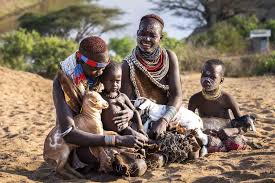
The Omo Valley
The Omo Valley, a remote and breathtaking region in southwestern Ethiopia, is a living mosaic of humanity, home to a remarkable diversity of ancient tribes whose vibrant traditions have endured for centuries along the life-giving Omo River . This cultural heartland, believed to be one of the most genetically and linguistically diverse places on earth, is inhabited by around a dozen pastoralist groups, including the Mursi, Hamar, and Karo, each distinguished by unique forms of body art, adornment, and ceremony . Here, visitors may witness the striking lip plates of Mursi women, the ochre-plastered hair of Hamer elders, the intricate body painting of the Karo, and ancient rituals like the bull-jumping ceremony, all set against a backdrop of harsh yet beautiful landscapes . However, this incredible cultural tapestry faces increasing pressure from the modern world, including the impact of hydroelectric dams on traditional flood-retreat farming, making responsible and respectful travel essential for those who wish to witness this irreplaceable heritage .
Bale Mountains National Park
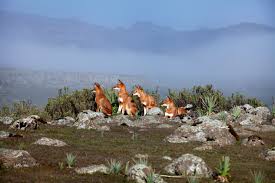
Bale Mountains National Park, located in southeastern Ethiopia, is a breathtaking expanse of rugged beauty and ecological importance, often described as "one park, many worlds" due to its five distinct and dramatic habitats . Its heart is the Sanetti Plateau, the largest continuous area of its altitude in Africa, a sweeping Afro-alpine moorland scattered with giant lobelia plants and the prime habitat for the critically endangered Ethiopian wolf, the world's rarest canid . To the south, the plateau plunges into the Harenna Forest, a vast, misty cloud forest that is home to elusive wildlife like lions and leopards, as well as the genetic stock for Ethiopia's famous wild coffee . This incredible variety of landscapes supports an extraordinary concentration of wildlife, including the majestic mountain nyala, making the park a globally significant hotspot for endemic species and a sanctuary for nature lovers .