A Short History of Addis Ababa: The New Flower
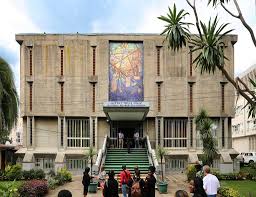
The city was founded in 1886 by Empress Taytu Betul, the wife of Emperor Menelik II. At the time, Menelik was the King of Shewa, and his court was a mobile one, moving between several camp settlements. The story goes that Empress Taytu was attracted to the area's natural hot springs and its pleasant highland climate. She established a camp there and named it "Addis Ababa" because of an abundance of beautiful flowers she found blooming in the area.
Becoming the Capital (1889)
The city's status changed dramatically in 1889 when Menelik II became Emperor of Ethiopia. He officially declared Addis Ababa the capital of the entire Ethiopian Empire. This decision moved the seat of government from the historic city of Ankober and set the stage for the new capital's rapid growth. From its founding, Addis Ababa grew quickly. Emperor Menelik II was a modernizer, and he encouraged the development of the new capital. Key developments included:- The First Bank: The Bank of Abyssinia (now the Commercial Bank of Ethiopia) was established in 1905.
- The First Hotel:The famous Itegue Taitu Hotel, built by the Empress herself, opened its doors and still operates today.
- Electricity and Infrastructure: The city was one of the first in Africa to have electricity and a modern infrastructure.
- The Railroad: The completion of the Djibouti–Addis Ababa railway in 1917 was a pivotal moment, connecting the landlocked capital to the port and boosting trade and immigration.
A 20th-Century Hub
Throughout the 20th century, Addis Ababa solidified its role as a major political and diplomatic center.
- Italian Occupation (1936-41): During the Italian occupation of Ethiopia, the city expanded, and some new neighborhoods and buildings were constructed.
- Organization of African Unity (OAU): In 1963, Addis Ababa was chosen as the headquarters for the newly formed Organization of African Unity (OAU), which later became the African Union (AU). This cemented the city's reputation as the diplomatic capital of Africa.
- Growth and Change: The city continued to grow, absorbing surrounding rural areas and becoming a massive melting pot of cultures from all over Ethiopia.
Addis Ababa Today
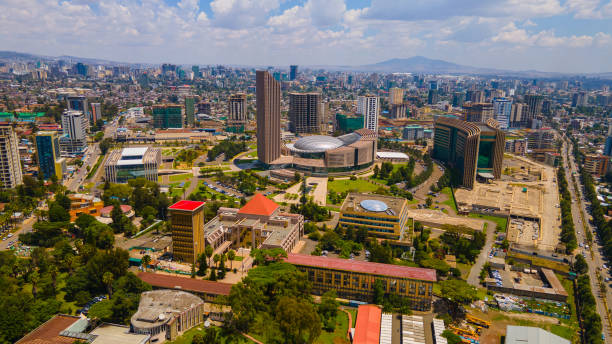
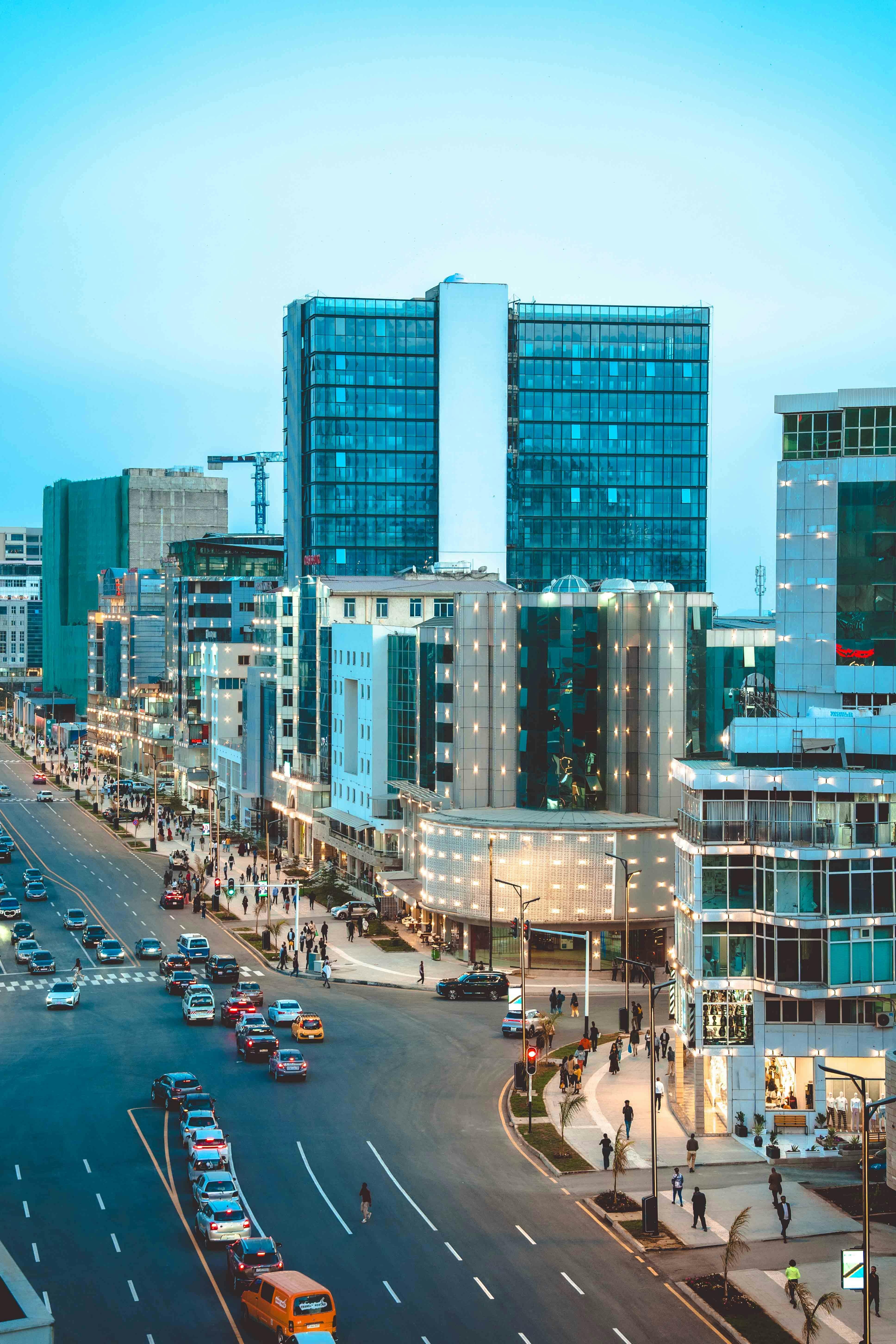
The New Addis Ababa ...
Today, Addis Ababa is a bustling, modern metropolis and one of the fastest-growing cities in the world.
It is home to over 3.7 million people and serves as the
diplomatic heart of Africa, hosting the headquarters of the United Nations Economic Commission for
Africa (UNECA) and the African Union.
Visitors today will find a city of contrasts and constant change,
where modern high-rises stand alongside older neighborhoods, and the famous eucalyptus forests on Entoto
Mountain still overlook the "New Flower," which continues to blossom and evolve.
Merkato: The Heartbeat of Addis Ababa

Merkato: The Largest Open Market in Africa
Merkato is not just a market; it is a vibrant, bustling city within a city. As the largest open-air market in Africa, it sprawls across several square kilometers in the Addis Ketema district of Addis Ababa, offering an overwhelming and unforgettable sensory experience .
The Merkato of today was born during a complex chapter in Ethiopia's history. Before the 1930s, the main market was located near St. George's Church, in an area now known as Piazza. During the Italian occupation, a policy of segregation led to the establishment of a new market for the local population further west. They named it "Mercato Indigeno" ("Native Market"), and the name stuck . Over time, this area grew organically, with Arab and later Ethiopian traders transforming it into the immense, unplanned commercial hub it is today .
Entoto: The Sacred Mountain That Gave Birth to Addis Ababa
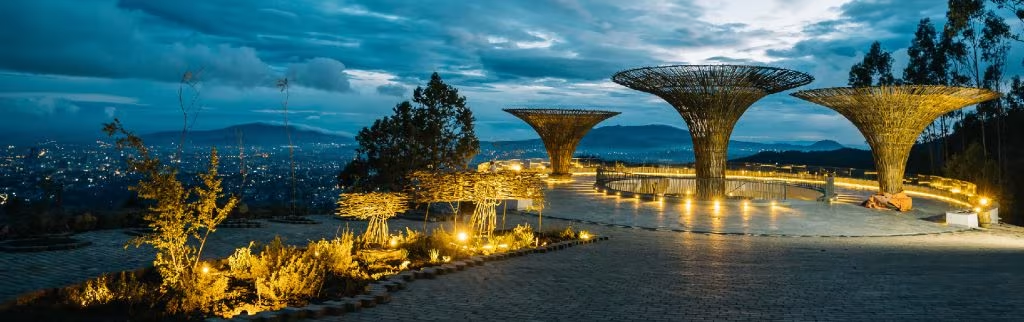
Entoto:The "Lung of Addis Ababa"
Towering over Ethiopia's capital, Entoto is far more than just a scenic escape. It is a mountain of profound historical, spiritual, and natural significance—the very place where Addis Ababa was born.Before Addis Ababa became the capital, Emperor Menelik II and Empress Taytu Betul established their court on the cool, strategic heights of Entoto in the 1880s. From this rocky ridge, they planned the expansion of their kingdom. You can still walk through history here, visiting the ruins of Menelik's old palace and the Entoto Maryam Church, a beautiful round church built by the Emperor himself where he was later crowned .
Entoto Natural Park: A Modern Sanctuary
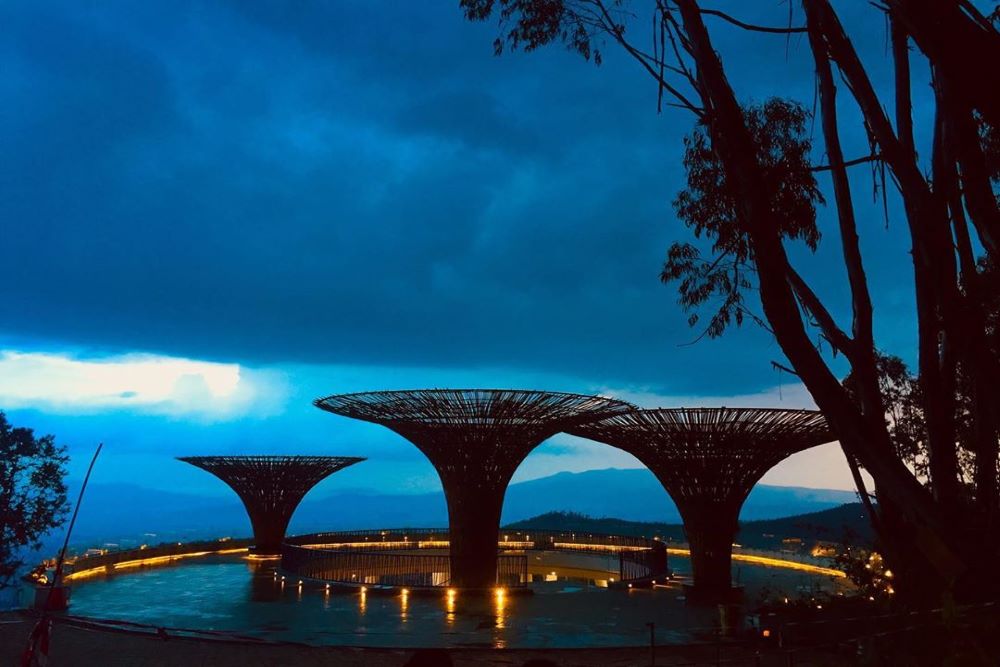
Entoto Natural Park
Entoto Natural Park
In recent years, the area has been transformed with the development of the beautiful Entoto Natural Park. This multi-purpose destination offers something for everyone:
- Breathtaking Views: From an altitude of over 3,200 meters, the park offers stunning panoramic views of Addis Ababa spread out like a tapestry below, especially magical at sunset .
- Adventure and Recreation: For those seeking thrills, the park features exciting activities like zip-lining, go-karting, archery, and rope courses, making it a perfect family destination .
- Peace and Nature: Miles of walking and hiking trails wind through the eucalyptus forests, offering quiet spots for reflection, bird watching, and enjoying the cool mountain air .
A Place of the Spirit
Entoto has long been a sacred place. It is home to several important churches and monasteries, and its peaceful atmosphere has drawn pilgrims and seekers for generations. The combination of fresh mountain air, the scent of eucalyptus, and the sense of history creates a deeply serene and spiritual ambiance .

Merkato
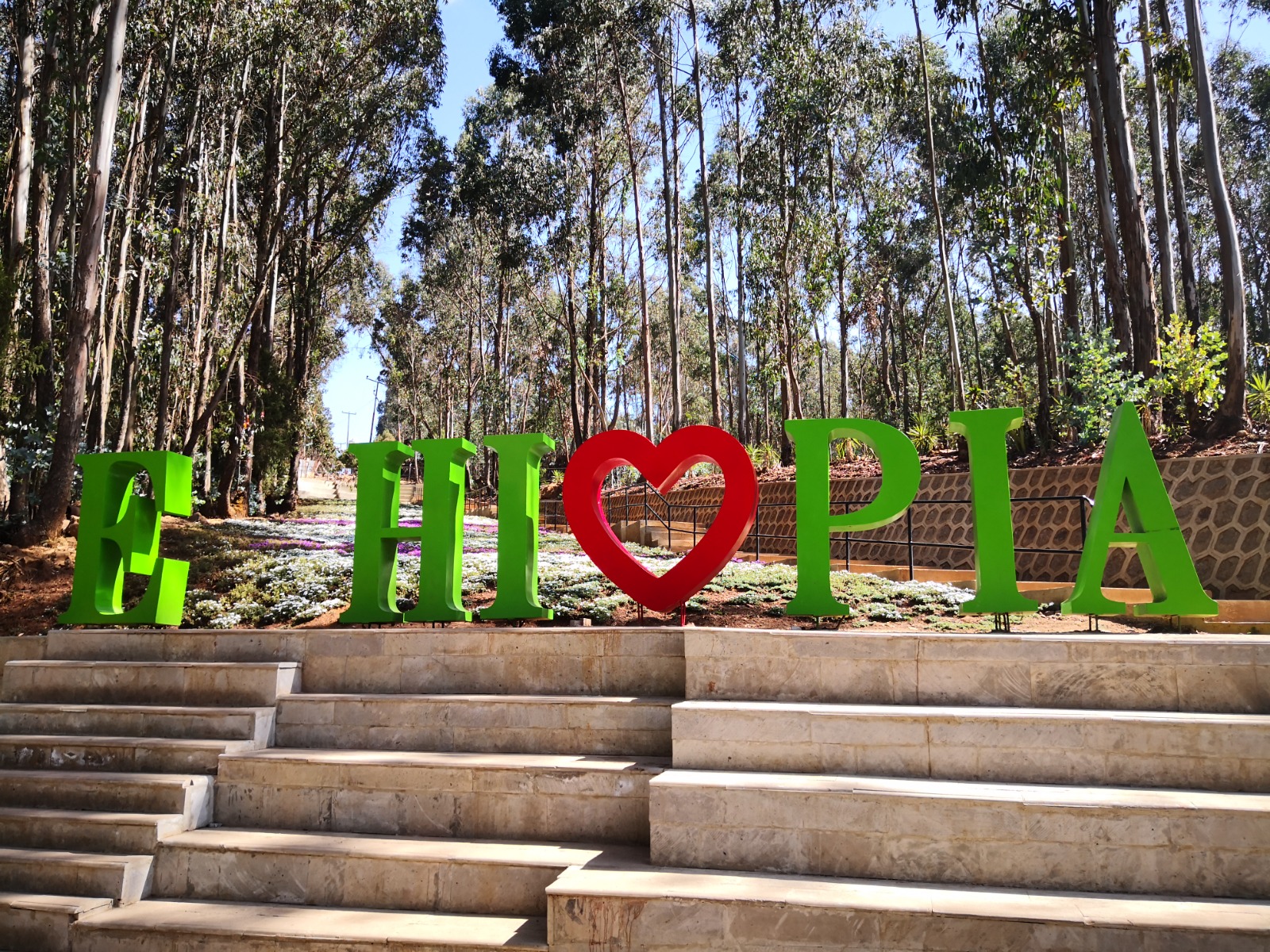
Entoto Park