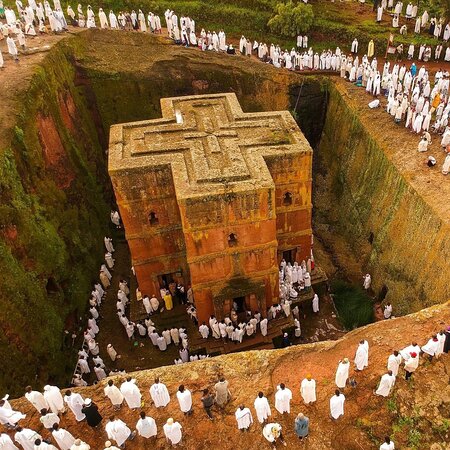
Lalibela church
Lalibela church

Lalibela

3 days / 2 night
day 1

gathering point and Take a morning hike with mules: to the 13th-century rock-hewn monastery of Mount Asheton.

day 2

The drive to Yemrehanna, a beautiful church situated in a shallow cave that predates the churches of Lalibela.

day 3

continue with the tour of Lalibela’s churches and view the rural countryside and villages of the Ethiopian highlands.

Gonder castle
Gonder castle

Gonder

4 days / 2 nights and 1 nignt in bahir dar
day 1

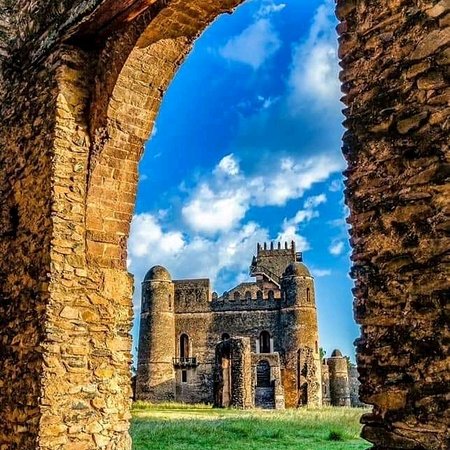
Explore the UNESCO-listed castle complex. Don't miss Fasilides' Castle, Iyasu I's Palace, the library, and the lion cages.

day 2

Visit the ruined palace of Empress Mentewab and the adjacent church with its fascinating history.

day 3

Hike along dramatic escarpments, spot gelada baboons, and witness breathtaking cliffs.

day 4

Experience the vibrant Arada Market (largest in the region) — best on Saturdays. Shop for spices, textiles, and woven baskets.

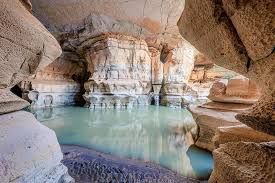
Sof Omar cave
sof-Umar including bale mauntains

sof-Umar including bale mauntains

4 days / 3 nights (from bale)
day 1

Flight to Goba, Dinsho wildlife viewing, gentle hike

day 2

Ethiopian wolf spotting, Africa's highest plateau, lush forest

day 3

Explore 15km cave system, underground river, limestone chambers

day 4

Lake Ziway birds, optional Sodore hot springs

Omo valley tribes
Omo valley

Omo valley

8 days/ 7 Night expedition

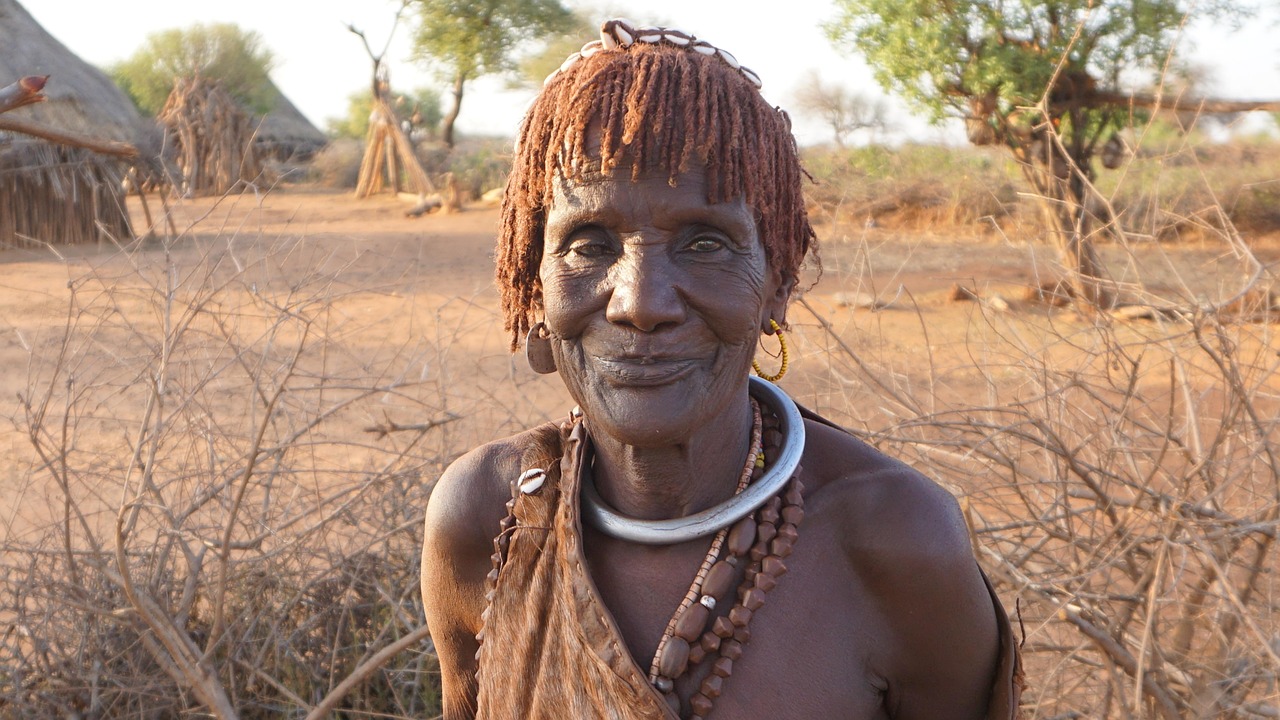
A journey into Ethiopia's Omo Valley is a profound immersion into one of the world's most culturally rich and timeless landscapes, where over a dozen distinct indigenous tribes—including the Hamer, Mursi, Karo, and Dassanech—have preserved their ancient traditions, body art, and ceremonies for centuries. Traveling through this remote, sun-scorched region feels like stepping back in time, as you witness elaborate bull-jumping rites of passage, encounter women adorned with intricate beadwork and lip plates, and cross the Omo River by wooden canoe to reach villages where life remains largely unchanged by modernity. While the experience offers unparalleled cultural encounters and breathtaking riverine scenery, responsible tourism is essential—engaging local guides, respecting photography protocols, and contributing fairly to communities ensures that your visit supports the preservation of these extraordinary traditions rather than exploiting them. The dry season from June to September provides the most accessible roads, but the journey requires patience, flexibility, and a spirit of genuine curiosity to fully appreciate the valley's profound human heritage.
```